
Fasting days
When the kitchen changes. Five fasts most homes know.
Customs differ between regions and families: some keep shingada off Ekadashi, some avoid sabudana, some eat one meal. Follow the way your home does it.
Which flour for what
What are you making? Pick a dish.
Pick a dish to see which flours suit it.
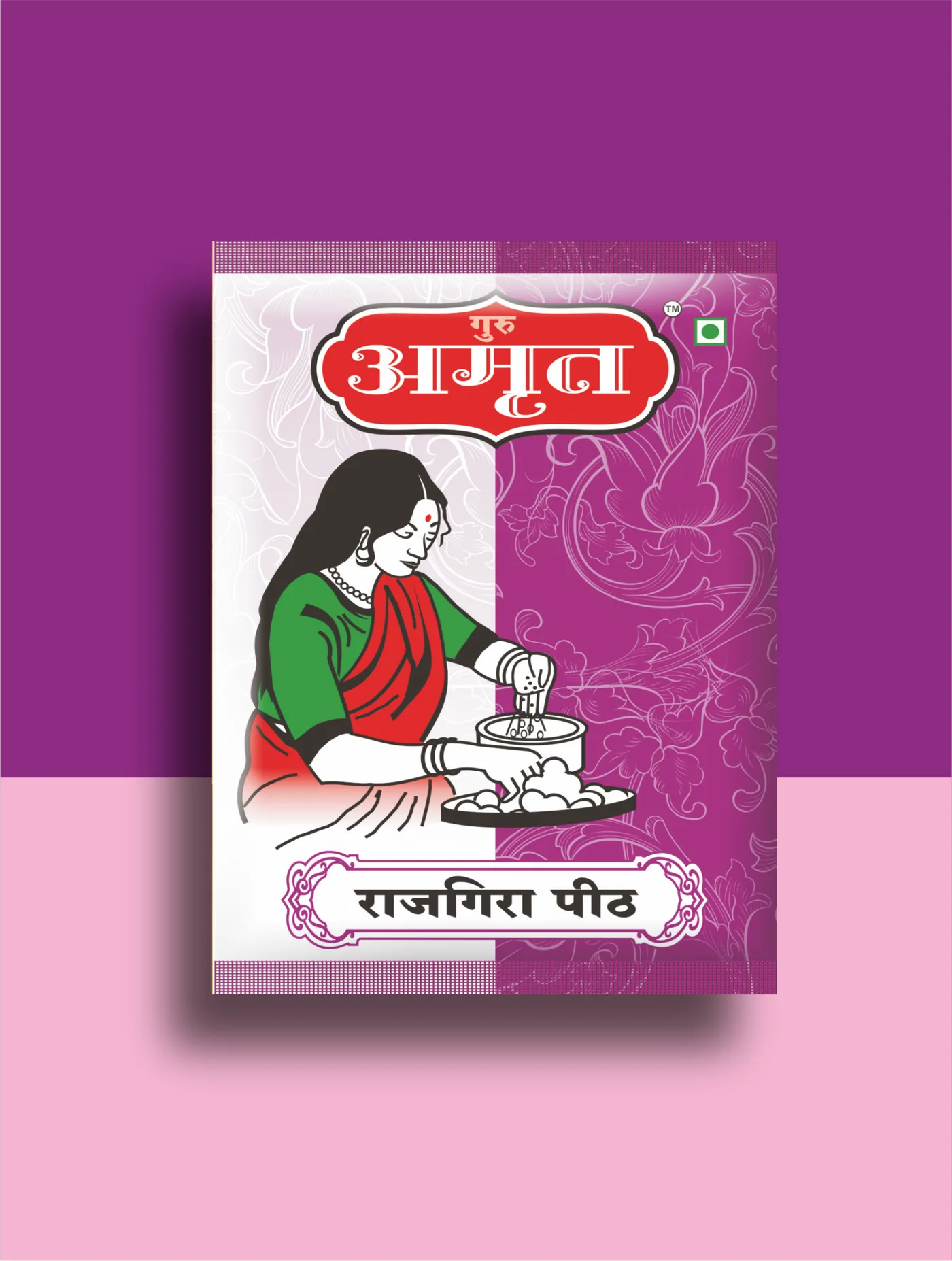
- Rajgira pithराजगिरा पीठThalipeethPuri / poliBhakri / dosaSheera / halwaLaddooAbout the flour
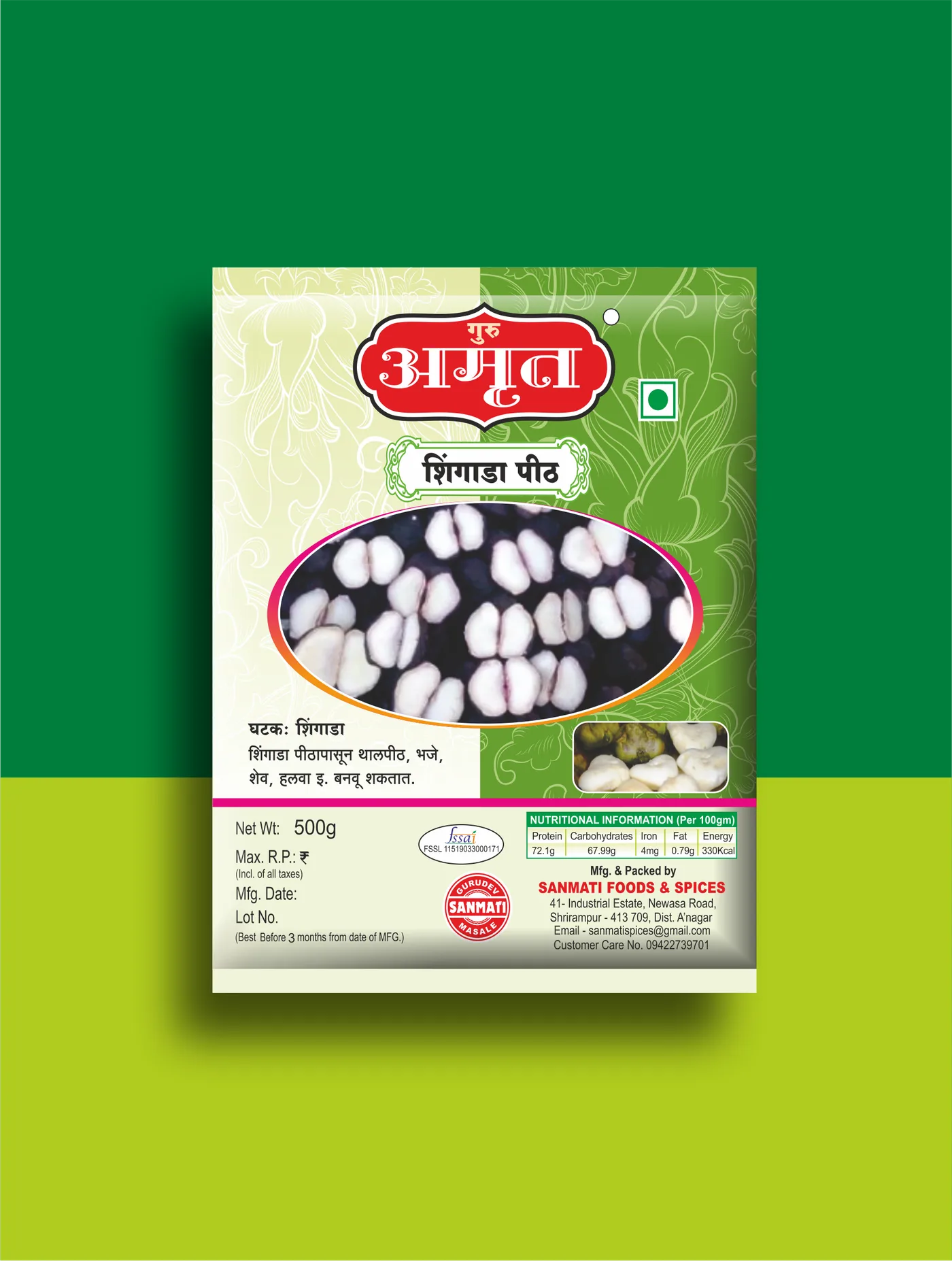
- Shingada pithशिंगाडा पीठThalipeethPuri / poliSheera / halwaVada / bhajeAbout the flour
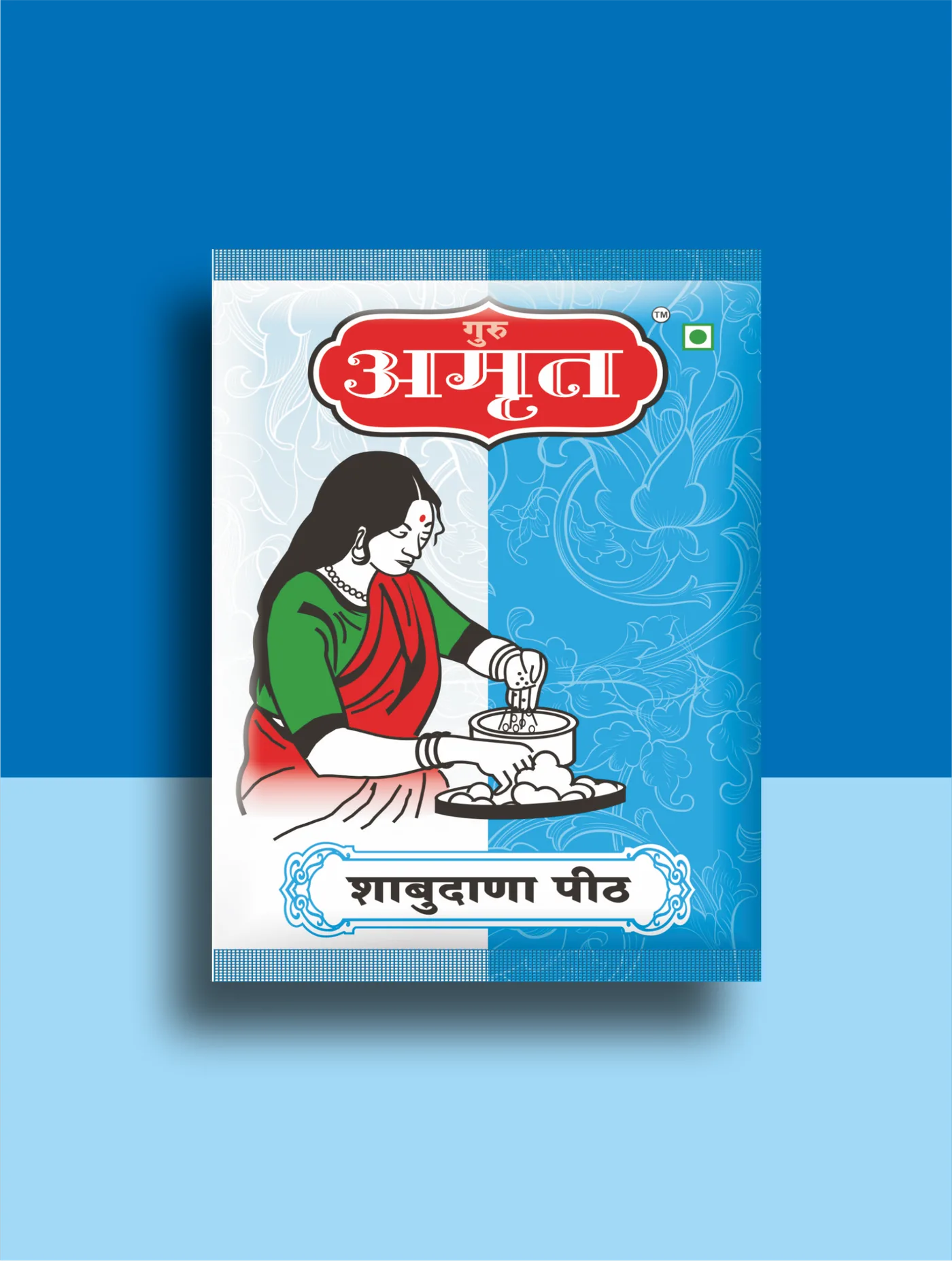
- Sabudana pithसाबुदाणा पीठThalipeethVada / bhajeAbout the flour
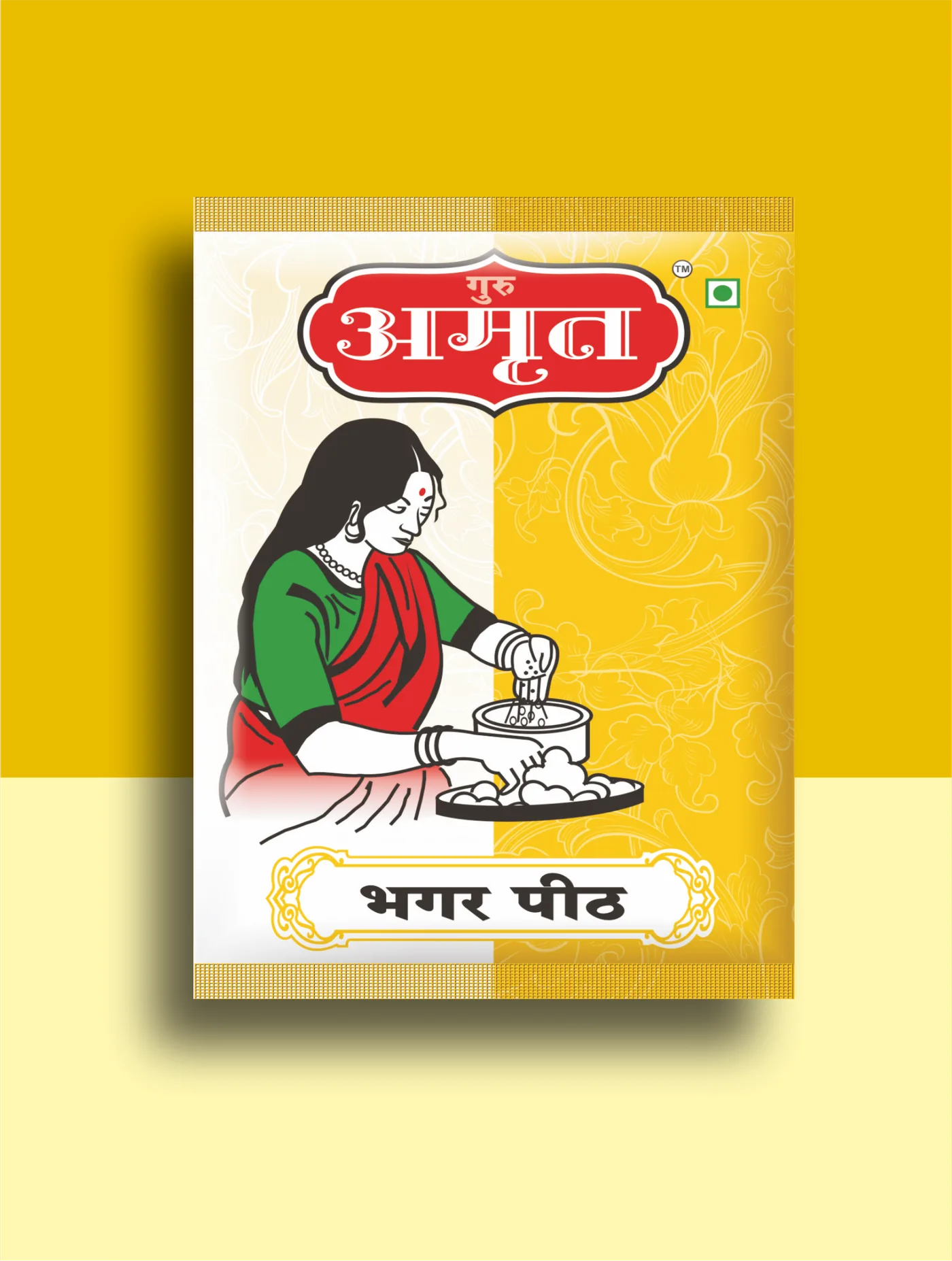
- Bhagar pithभगर पीठThalipeethBhakri / dosaAbout the flour
- Upwas bhajaniउपवास भाजणीThalipeethVada / bhajeAbout the flour
A day of upwas
One way to get through a fasting day. Four meals, four flours.
Recipes
Fasting recipes from our kitchen.
- Fasting days25 min
Rajgira poli
Fasting polis bound with boiled potato, since rajgira has no gluten of its own to hold them.
25 minServes 6Easy - Fasting days25 min
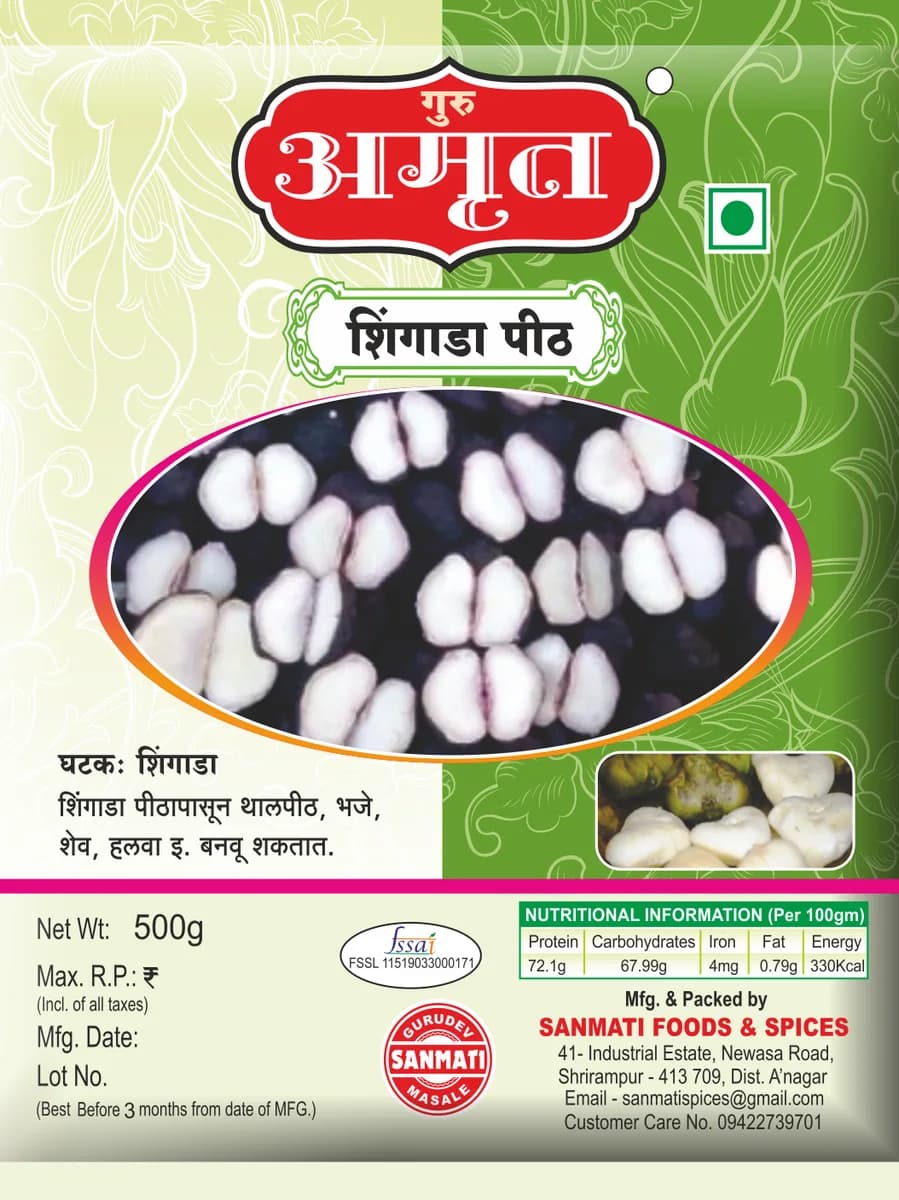
Shingada thalipeeth
Shingada flour and boiled potato, patted thin on the tawa until the edges go golden.
25 minServes 2Easy - Fasting days30 min
Upwas thalipeeth
A classic fasting-day breakfast. With bhajani it needs only water, salt and a green chilli.
30 minServes 6Easy - Fasting days25 min
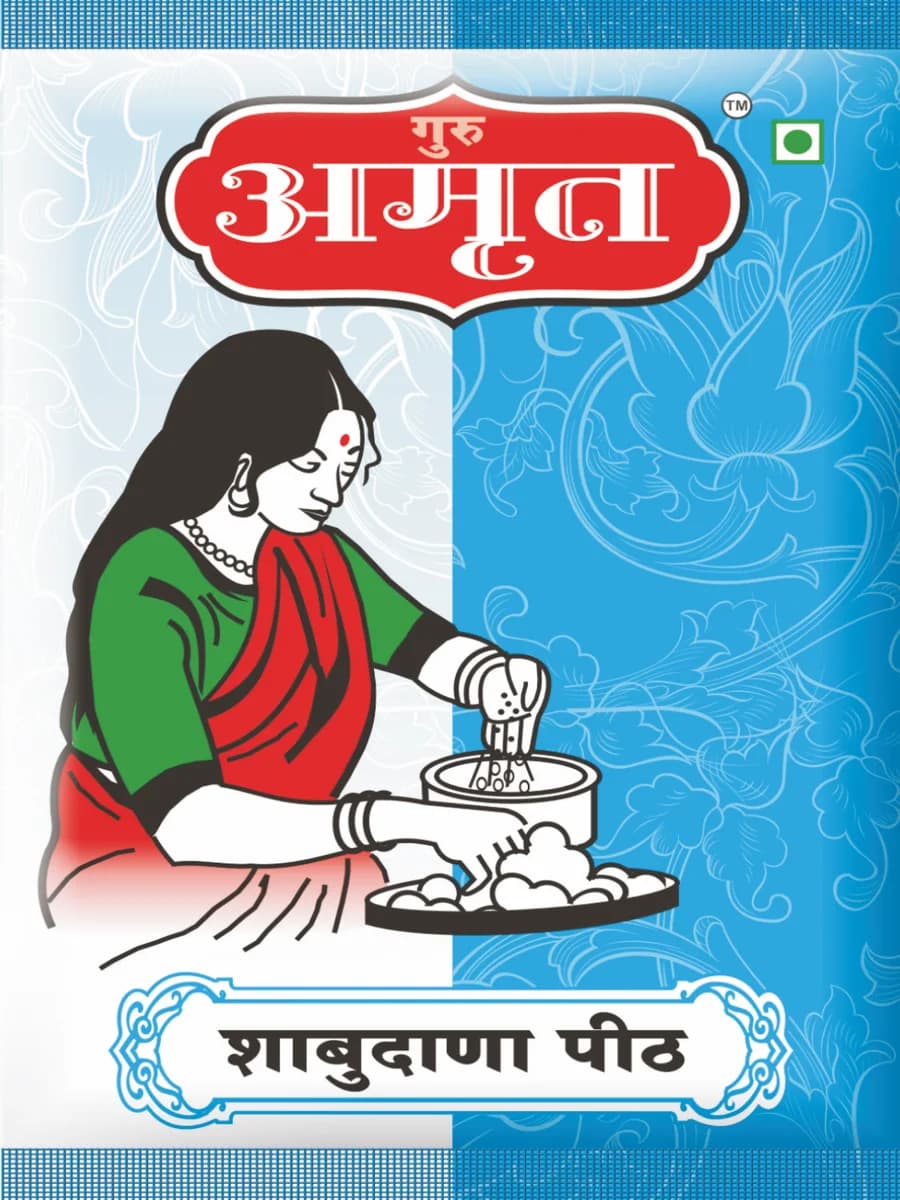
Sabudana thalipeeth
The crisp fasting thalipeeth, without soaking sabudana the night before.
25 minServes 4Easy - Fasting days30 min
Shingada halwa
A quick fasting sweet: shingada flour roasted in ghee until it smells nutty, then cooked with sugar and cardamom.
30 minServes 4Medium - Fasting days25 min
Rajgira laddoo
Rajgira flour roasted in ghee with jaggery and cardamom, shaped while still warm, before it sets.
25 minServes 12Easy - Fasting days30 min
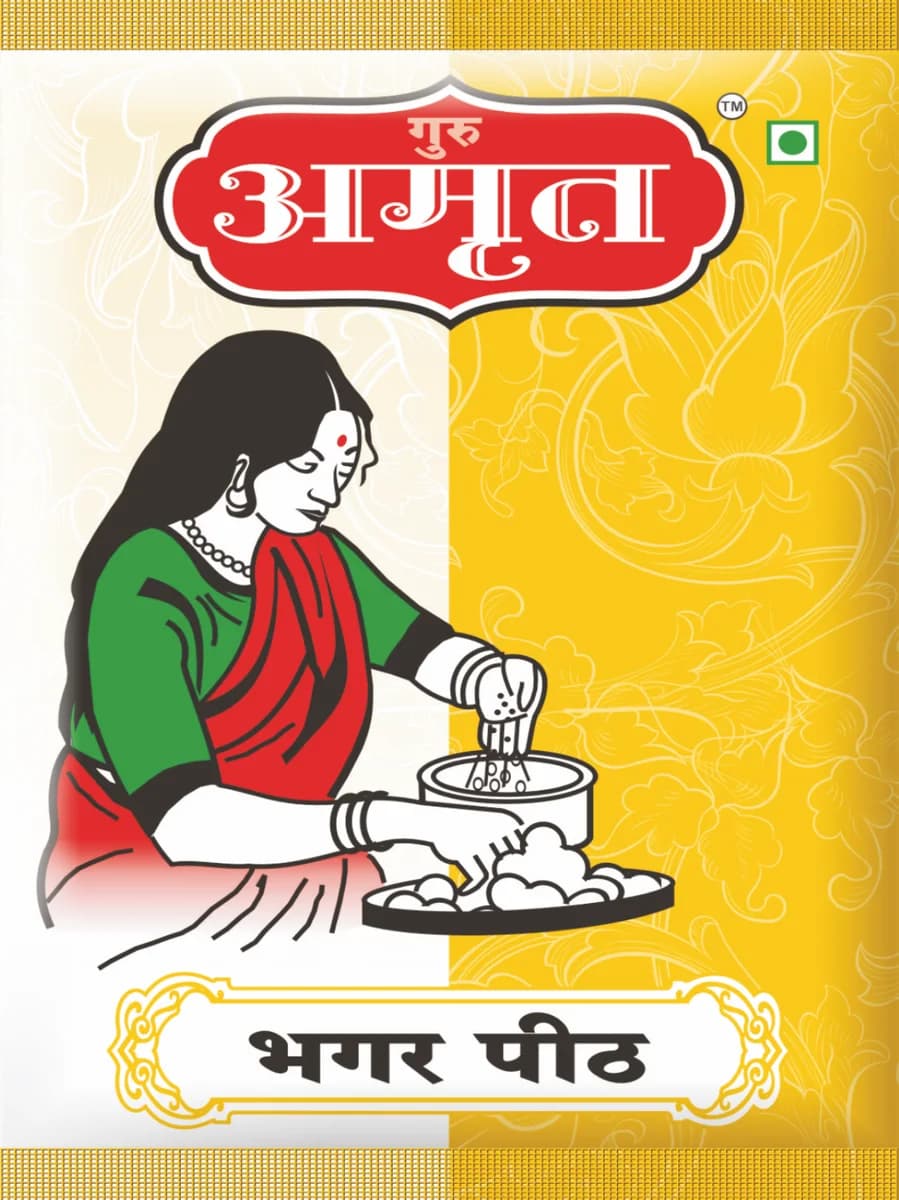
Bhagar bhakri with peanut amti
Soft fasting bhakri from barnyard millet flour, with a thin, tangy peanut amti.
30 minServes 4Easy - Fasting days30 min
Sabudana vada
Crisp fasting vadas with potato and peanuts, made with sabudana flour, so there's no overnight soaking.
30 minServes 4Easy
Stock up before the fast.
rajgira pith, shingada pith, sabudana pith, bhagar pith and upwas bhajani, on WhatsApp.